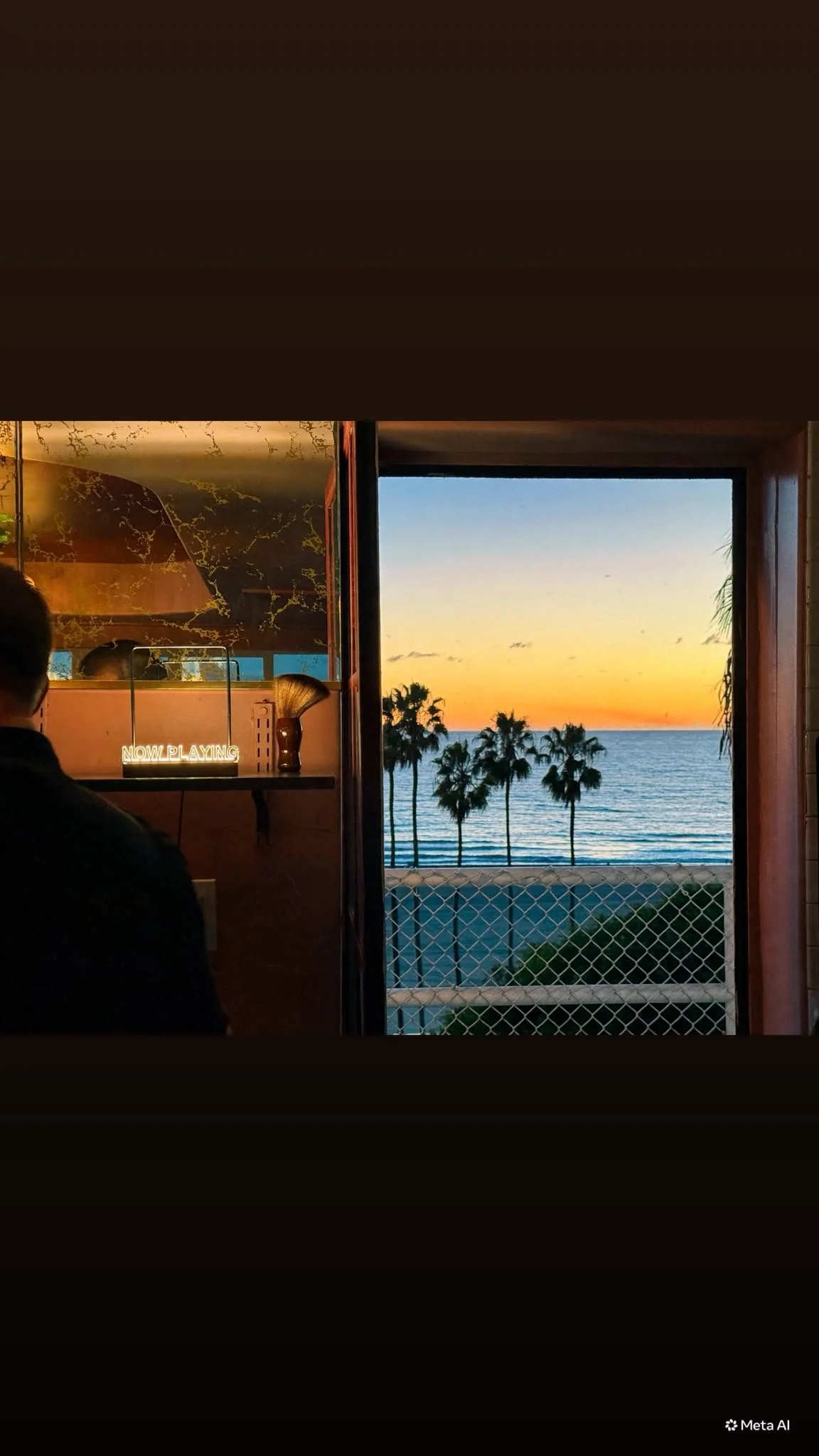
📷 photos by Yi Zhou
The voice is the oldest special effect in cinema, and the last signature a person carries unguarded.
Tonight belonged to ElevenLabs, on a Santa Monica rooftop with the ElevenCreative community, and my thanks go to Matty Shimura and Diana Golduber for the invitation and for a room assembled with unusual intelligence: creators, filmmakers, musicians, the people currently deciding, demo by demo and decision by decision, what the recorded voice is allowed to become. Because that is the real subject under the technology. ElevenLabs can clone a voice, dub a performance into another language, let a sentence spoken once in Los Angeles arrive intact in Tokyo or Milan. Every empire in entertainment history was built on distribution, and this is distribution at the level of the larynx. The border that falls here is not the border between countries. It is the border between a person and every audience they were never going to reach.
Philosophy has always suspected the voice of being the soul's most honest evidence. Writing can be revised, faces can be composed, but the voice betrays the breath, and the breath betrays the life: fatigue, joy, doubt, the smile you can hear with your eyes closed. Which is why the ethics of this technology matter more than its magic, and why I hold the position I have held since I first began working with it. A cloned voice is an instrument, and an instrument is innocent only when the hand on it is the owner's. I use this technology in exactly one way: my own voice, my own words, carried into Mandarin for my Chinese audiences, my presence extended into a language my life gave me and my schedule cannot always serve. That is the miracle used correctly, the self multiplied without being replaced. The opposite use, the generic voice, the downloaded narrator, the performance with nobody home inside it, is where the art form goes to become content. Anyone can download a voice. No one can download yours, unless you hand it over carelessly, and then you have not been robbed. You have resigned.
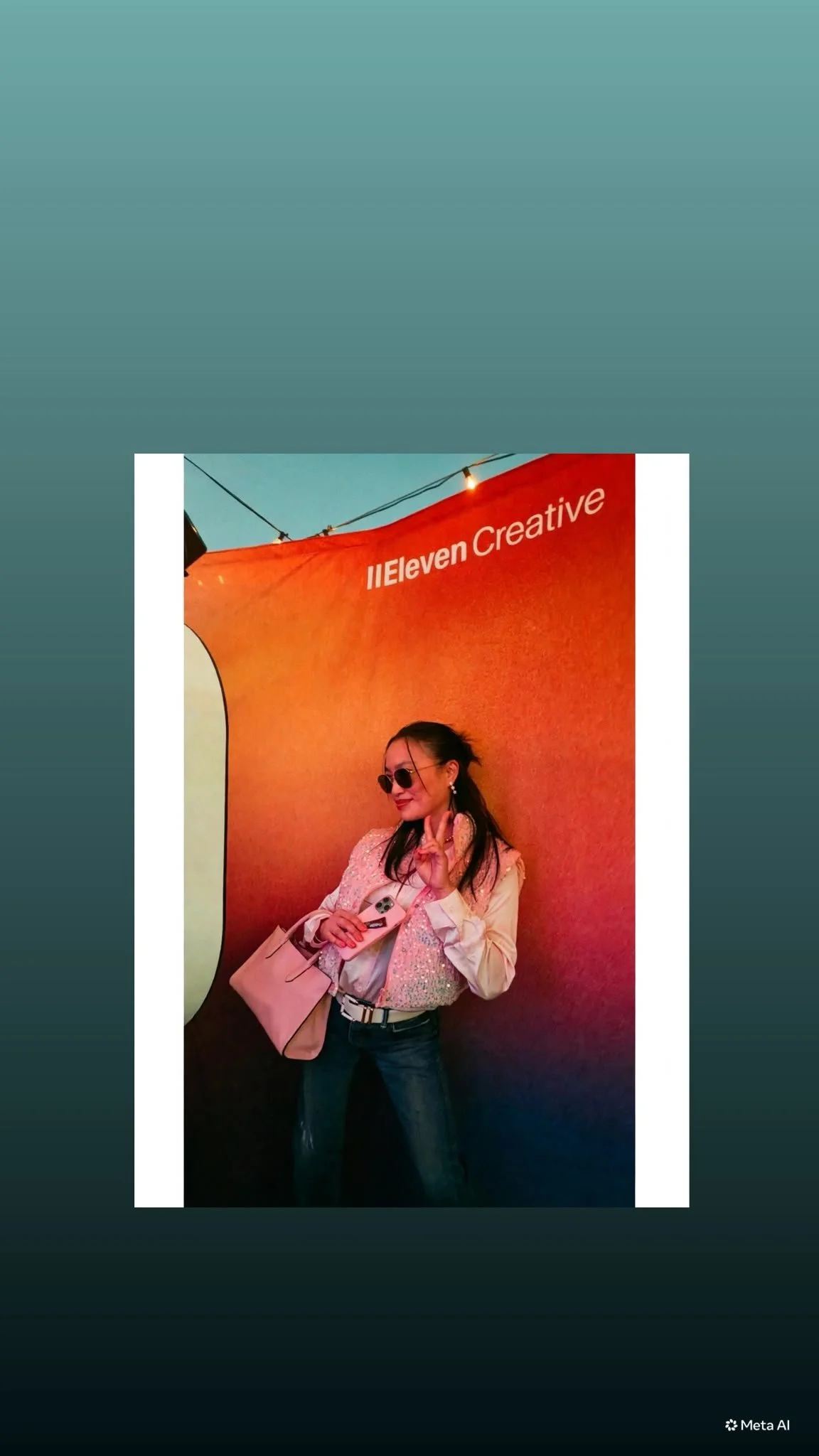
Sociology will have to invent a new literacy for what is coming: a literacy of listening. Audiences spent a century learning to ask whether an image is real. They will now learn to ask whether a voice is inhabited, and the creators who survive that question will be the ones who treated their sound the way painters treat a signature, as the one element of the work that is never outsourced. Tonight, above the Pacific, with the light going down and a room full of people building the future of the spoken word, I felt optimistic for a precise reason. The technology is not asking us to disappear. It is asking us to decide, consciously and in public, what our presence is worth. That is not a threat to artists. That is the oldest artistic question there is, finally impossible to dodge.
Yi Zhou