The Signature in the Throat

📷 photos by Yi Zhou

The voice is the oldest special effect in cinema, and the last signature a person carries unguarded.

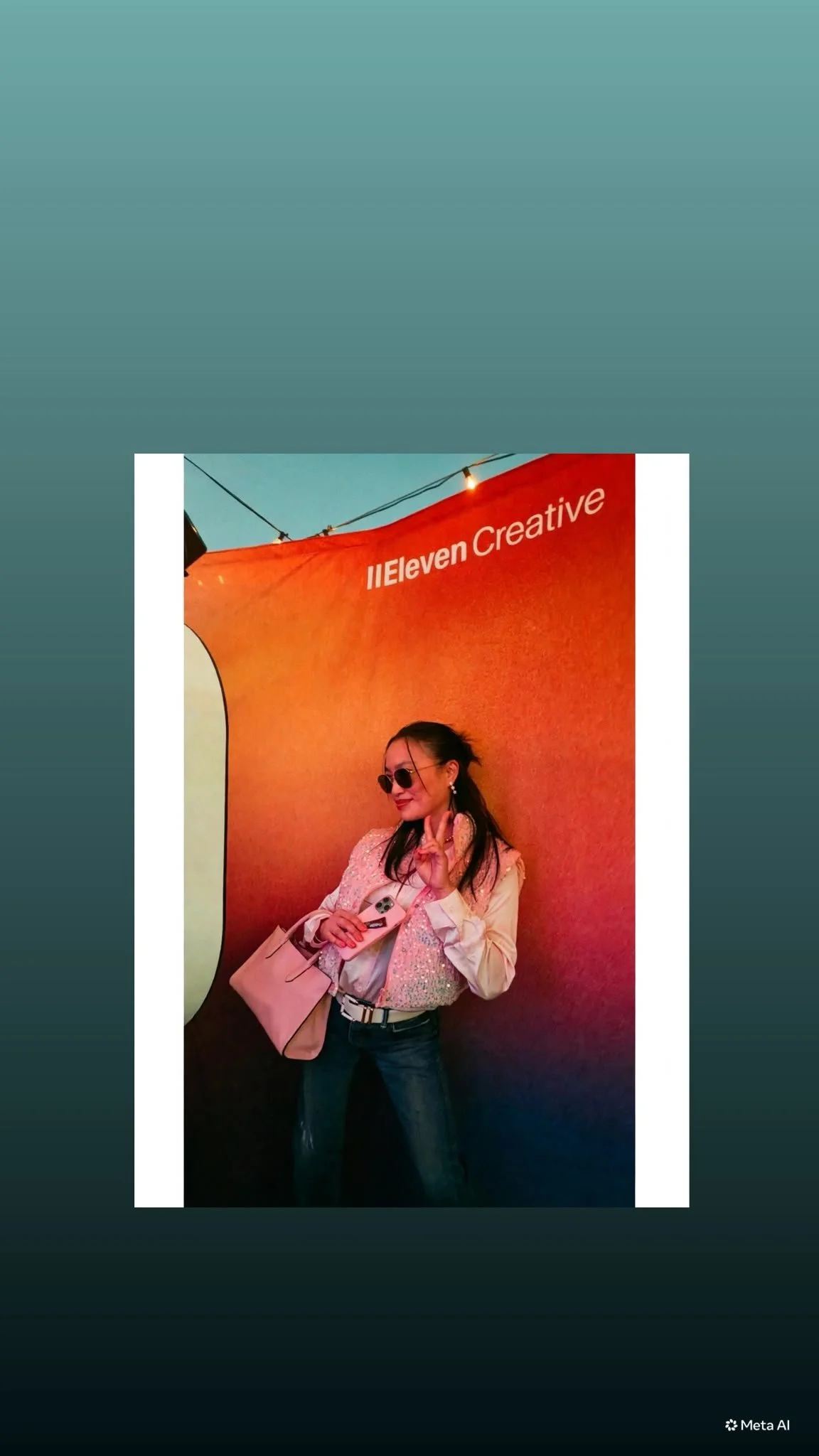
Tonight belonged to ElevenLabs, on a Santa Monica rooftop with the ElevenCreative community, and my thanks go to Matty Shimura and Diana Golduber for the invitation and for a room assembled with unusual intelligence: creators, filmmakers, musicians, the people currently deciding, demo by demo and decision by decision, what the recorded voice is allowed to become. Because that is the real subject under the technology. ElevenLabs can clone a voice, dub a performance into another language, let a sentence spoken once in Los Angeles arrive intact in Tokyo or Milan. Every empire in entertainment history was built on distribution, and this is distribution at the level of the larynx. The border that falls here is not the border between countries. It is the border between a person and every audience they were never going to reach.

Philosophy has always suspected the voice of being the soul's most honest evidence. Writing can be revised, faces can be composed, but the voice betrays the breath, and the breath betrays the life: fatigue, joy, doubt, the smile you can hear with your eyes closed. Which is why the ethics of this technology matter more than its magic, and why I hold the position I have held since I first began working with it. A cloned voice is an instrument, and an instrument is innocent only when the hand on it is the owner's. I use this technology in exactly one way: my own voice, my own words, carried into Mandarin for my Chinese audiences, my presence extended into a language my life gave me and my schedule cannot always serve. That is the miracle used correctly, the self multiplied without being replaced. The opposite use, the generic voice, the downloaded narrator, the performance with nobody home inside it, is where the art form goes to become content. Anyone can download a voice. No one can download yours, unless you hand it over carelessly, and then you have not been robbed. You have resigned.
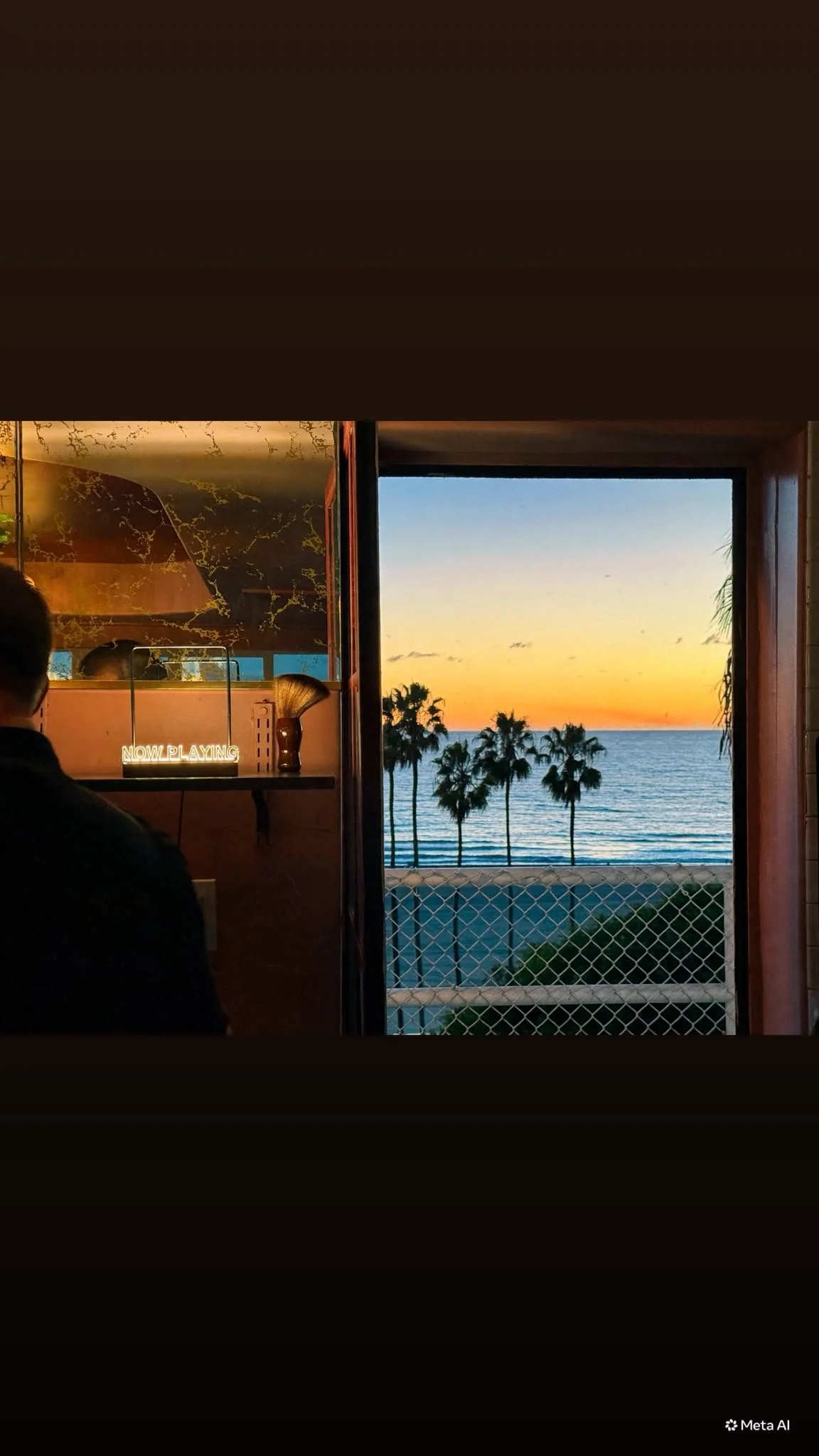
Sociology will have to invent a new literacy for what is coming: a literacy of listening. Audiences spent a century learning to ask whether an image is real. They will now learn to ask whether a voice is inhabited, and the creators who survive that question will be the ones who treated their sound the way painters treat a signature, as the one element of the work that is never outsourced. Tonight, above the Pacific, with the light going down and a room full of people building the future of the spoken word, I felt optimistic for a precise reason. The technology is not asking us to disappear. It is asking us to decide, consciously and in public, what our presence is worth. That is not a threat to artists. That is the oldest artistic question there is, finally impossible to dodge.

Yi Zhou
The Three Tenses of Animation: Reflections on the Closing Day of Infinity Festival

Infinity Festival: The Last Day

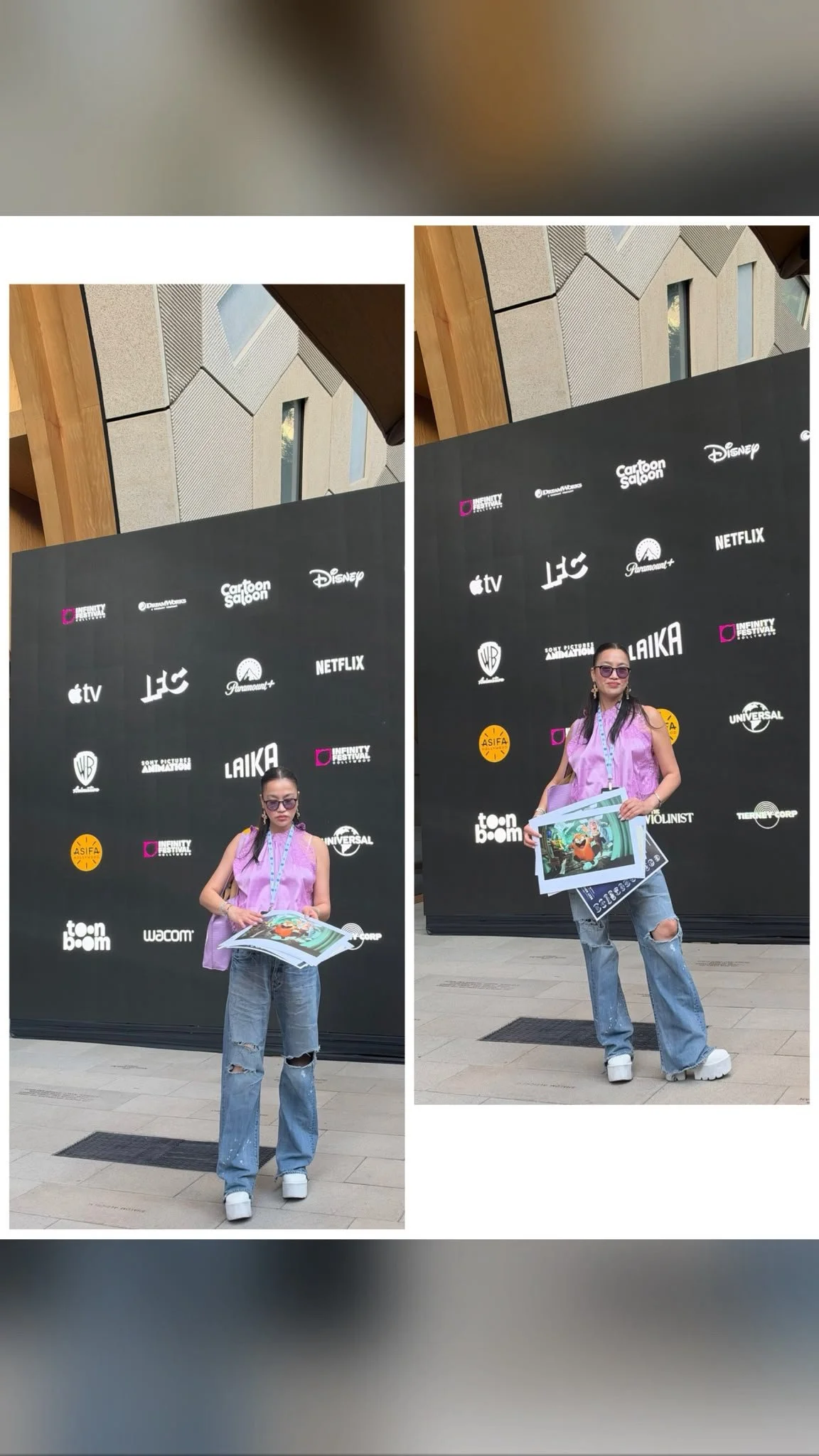
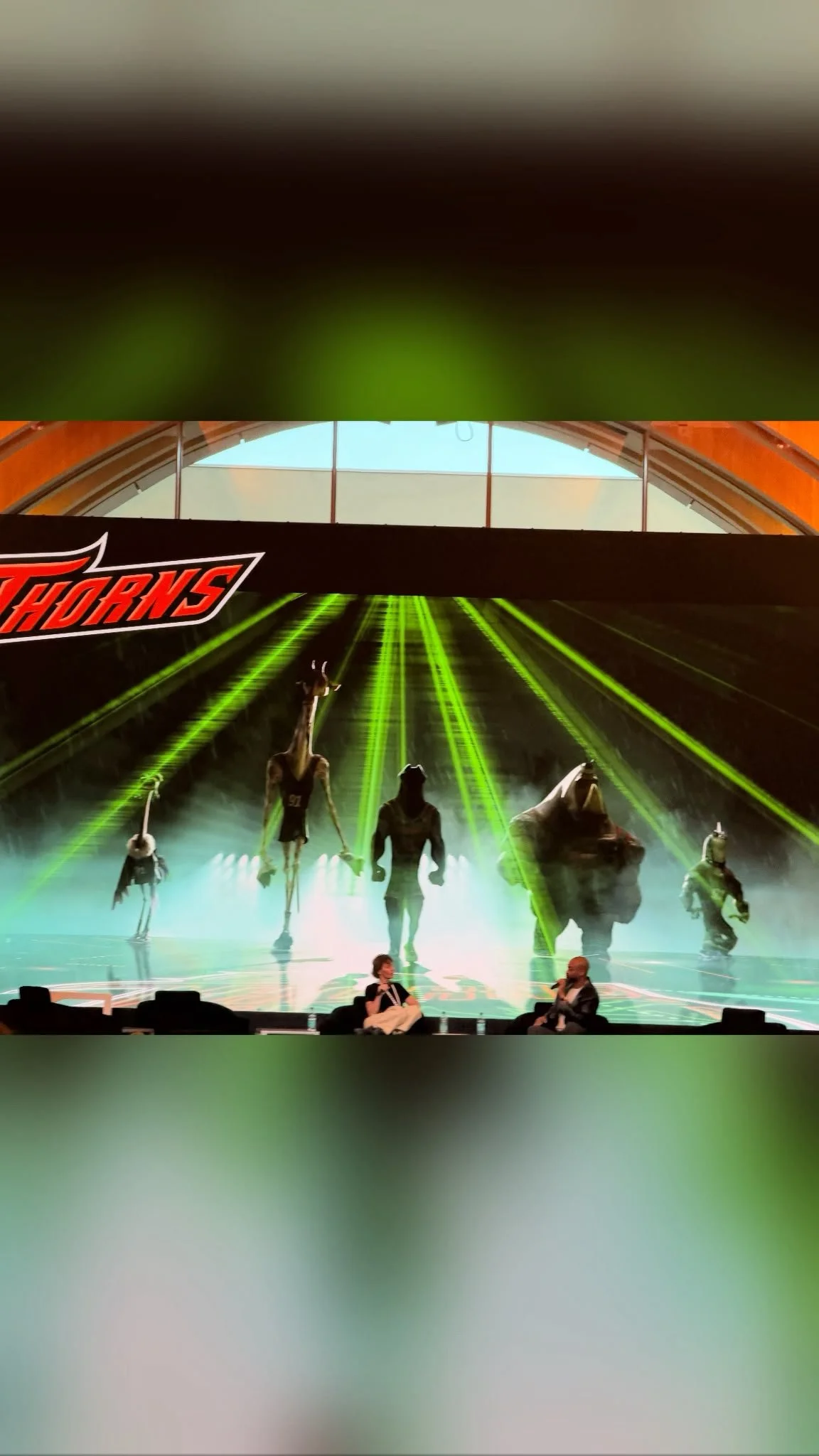
Every festival has a closing day that functions as its confession, the day it stops premiering and starts summarizing what it believes. For Infinity Festival, that day was today, Sunday, and the summary came in presentations I would not have missed for anything: Marvel, Disney, and Sony, arriving on the same closing program like the three tenses of the animated imagination, its past, its present, and its beautifully unstable future, with Universal and DreamWorks completing the day's constellation of giants.

There is a sociology to watching the giants present at a festival devoted to convergence. Disney is the founding grammar, the studio that taught the world what an animated feature was and still carries itself like the keeper of that first flame. Marvel represents the mythology model, characters as cathedrals, stories built to be inherited by generations who were not born when the first stone was laid. Sony represents the insurgent model, the studio that in recent years kept proving that a house style is a choice, not a law, that animation could fracture its own grammar, comic panels, paint, glitch, and come out the other side with the audience applauding the fracture. And around them, the day's other two pillars: Universal, the great populist empire of the animated century, proof that joy scales, and DreamWorks, the beloved storyteller house that taught fairy tales to talk back to their tellers. To sit with all of them on the final day was to watch the industry's great answers to the same question, how do you keep wonder industrial without letting it become routine, given back to back, generously, in front of the very community that will steal all the answers by Monday morning. That theft, conducted politely and called inspiration, is how this art form has always renewed itself.

📷 photos by Yi Zhou

And it is the right note on which to thank this festival properly. Thank you to Infinity Festival for the invitation, and to ASIFA-Hollywood for the inaugural Showcase woven through these days. From Seth Rogen speaking about memory with such tenderness, to the AI conversations upstairs where the future was negotiated rather than feared, to a closing Sunday handed to Marvel, Disney, Sony, Universal, and DreamWorks like a benediction, the four days held together as one long argument: that the handmade and the machine made are not enemies in a war but relatives at a table, and the table is big enough. The Audrey Irmas Pavilion empties tonight. The argument walks out with all of us, unfinished, which is exactly how living art forms are supposed to leave a building.

I enjoyed this festival in the way you enjoy a good conversation, completely, and with names to follow up and ideas already rearranging my own work. Thank you for having me inside it. Until the next convergence.

Yi Zhou